Clarity before automation
Automating a confused process only makes the confusion move faster. First make the work visible; then decide what technology should handle.
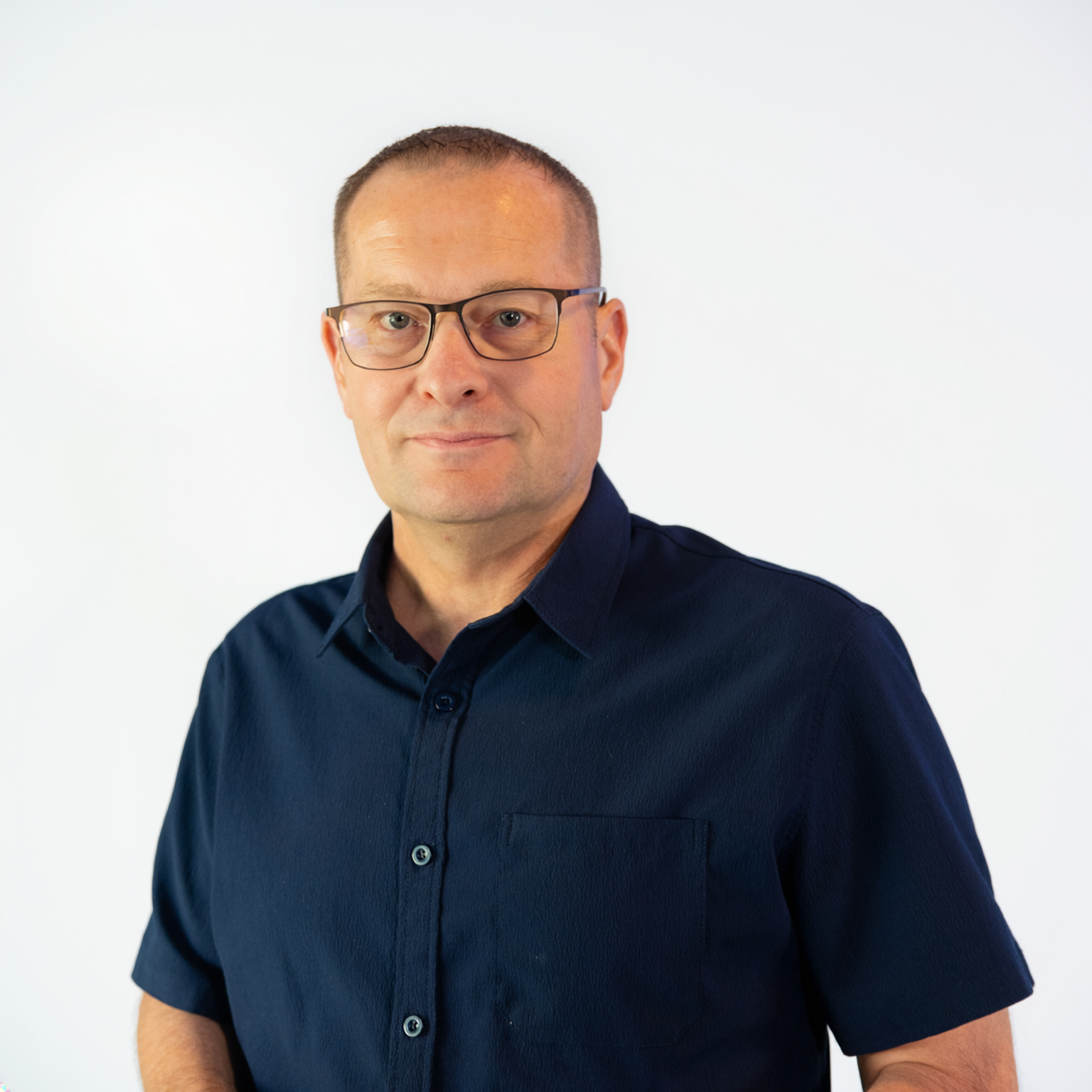
I'm Don Stevenson—an operator, educator, and lifelong systems thinker. Systems Lab Studio is where I turn real-world experience with complicated work into practical tools that make it clearer, lighter, and easier to repeat.
My career has moved through military service, healthcare operations, team leadership, and adult education. The setting changed, but the problem kept repeating: capable people were doing important work inside systems that depended too heavily on memory, scattered information, and constant follow-up.
I became the person who organized the moving parts—turning complex knowledge into clear workflows, training resources, checklists, dashboards, and tools people could actually use on a busy day.
I'm also dyslexic and have ADHD. That perspective has shaped how I process information, recognize patterns, and build structure around demanding work. As a single father of two daughters balancing clinical leadership, family, and creative projects, I've become highly protective of time and attention. I value technology when it creates genuine capacity—not simply because it is new.
I also learned the hard way that adding another app rarely solves the underlying problem. A useful system starts with the work itself: where it breaks down, what people are forced to remember, and what would make the next right step obvious.
Systems Lab Studio grew from that experience. It is a place to test emerging technology in real workflows, separate useful tools from noise, and turn what works into practical resources for people managing complicated work.
I am interested in tools only when they make real work easier to understand, perform, teach, or repeat.
Automating a confused process only makes the confusion move faster. First make the work visible; then decide what technology should handle.
A simple checklist people use is more valuable than a sophisticated platform they avoid. Adoption is part of the design.
A system should still work when attention is limited, priorities collide, and the person who created it is not available to explain it.

Twenty-two years in the Army shaped how I approach responsibility, training, and execution. People need more than information—they need a shared standard, a clear next step, and a system that holds up under pressure.
That same principle guides Systems Lab Studio today: make the work understandable, make ownership visible, and build something others can use without depending on one person to hold everything together.
A working studio for developing workflows, templates, knowledge hubs, training resources, and responsible AI-supported tools.
Generic productivity advice, medical care, or technology added for its own sake.
Capable professionals and leaders who need more structure without more complexity.
Get new breakdowns on systems, structure, and using AI as real infrastructure — sent when they're ready, not on a schedule.